Hamburg City Guide
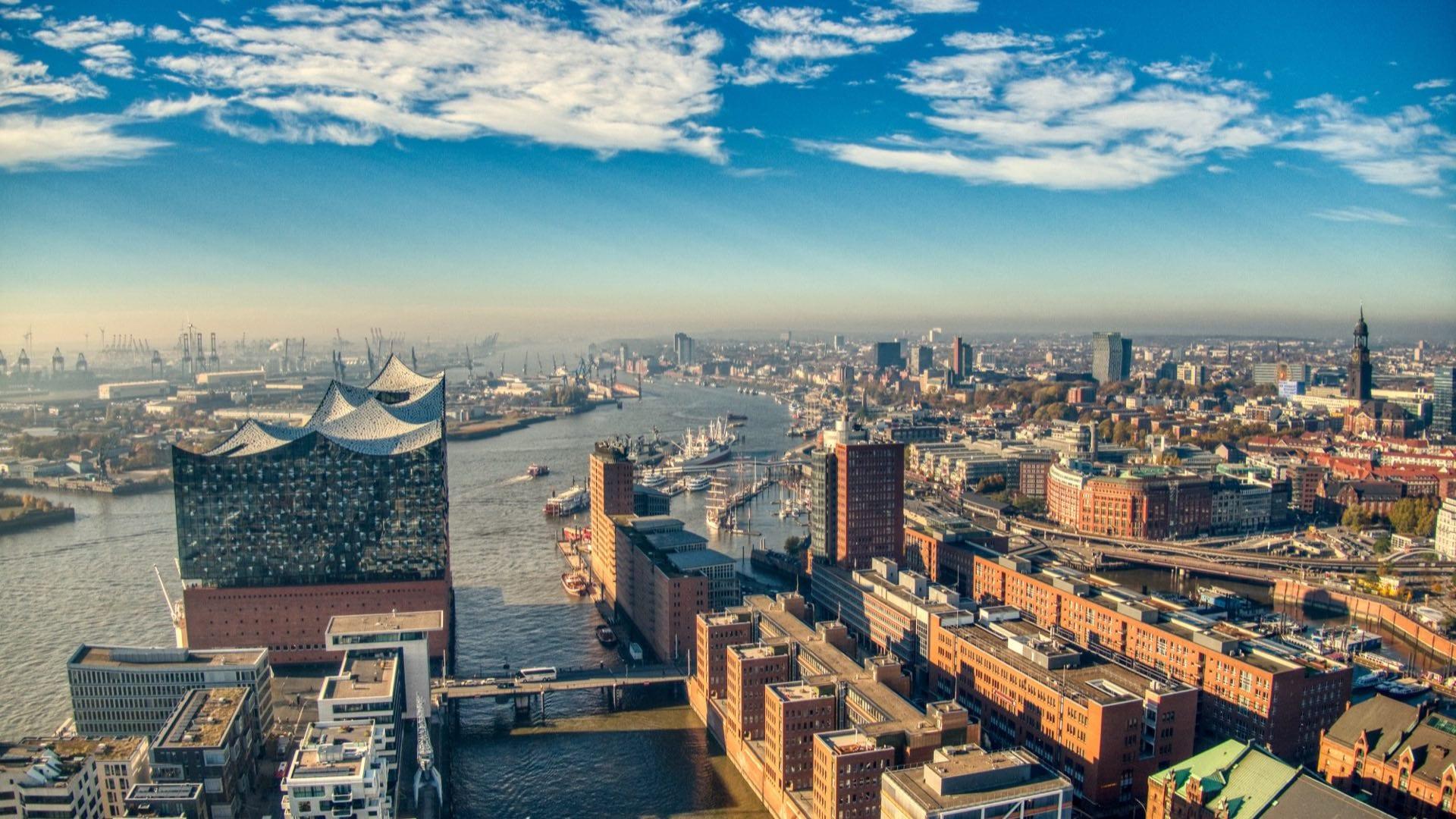
Germany's second-largest city and its richest by GDP per capita, Hamburg pairs the commercial heft of Europe's third-busiest container port with one of the country's most resilient residential markets. From the canal-laced affluence of Harvestehude and Rotherbaum, through the waterfront regeneration of HafenCity, the largest inner-city development project in Europe, to the gentrifying creative quarters of Eimsbüttel, Winterhude and Altona, the city offers international buyers a stable, transparent market underpinned by structural undersupply. Hamburg's vacancy rate sits at roughly 0.5%, among the lowest in Germany, while the metropolitan region is expected to surpass two million residents by 2030, sustaining a chronic gap between household formation and new-build completions. New-contract rents are rising an estimated 3–5% year-on-year, and major infrastructure, the U5 metro line and the Science City Bahrenfeld research cluster, is reshaping demand corridors in the city's west and north. With prices recovering modestly after the 2023 correction and a deep, diversified economy spanning media, logistics, aerospace (Airbus) and renewable energy, Hamburg enters 2026 as a core-stable hold for income-focused investors who prioritise capital preservation and near-zero void risk over speculative upside.
Figures are indicative and subject to change. Regulations, taxes and market conditions vary by jurisdiction. Do your own due diligence and seek independent legal and financial advice.