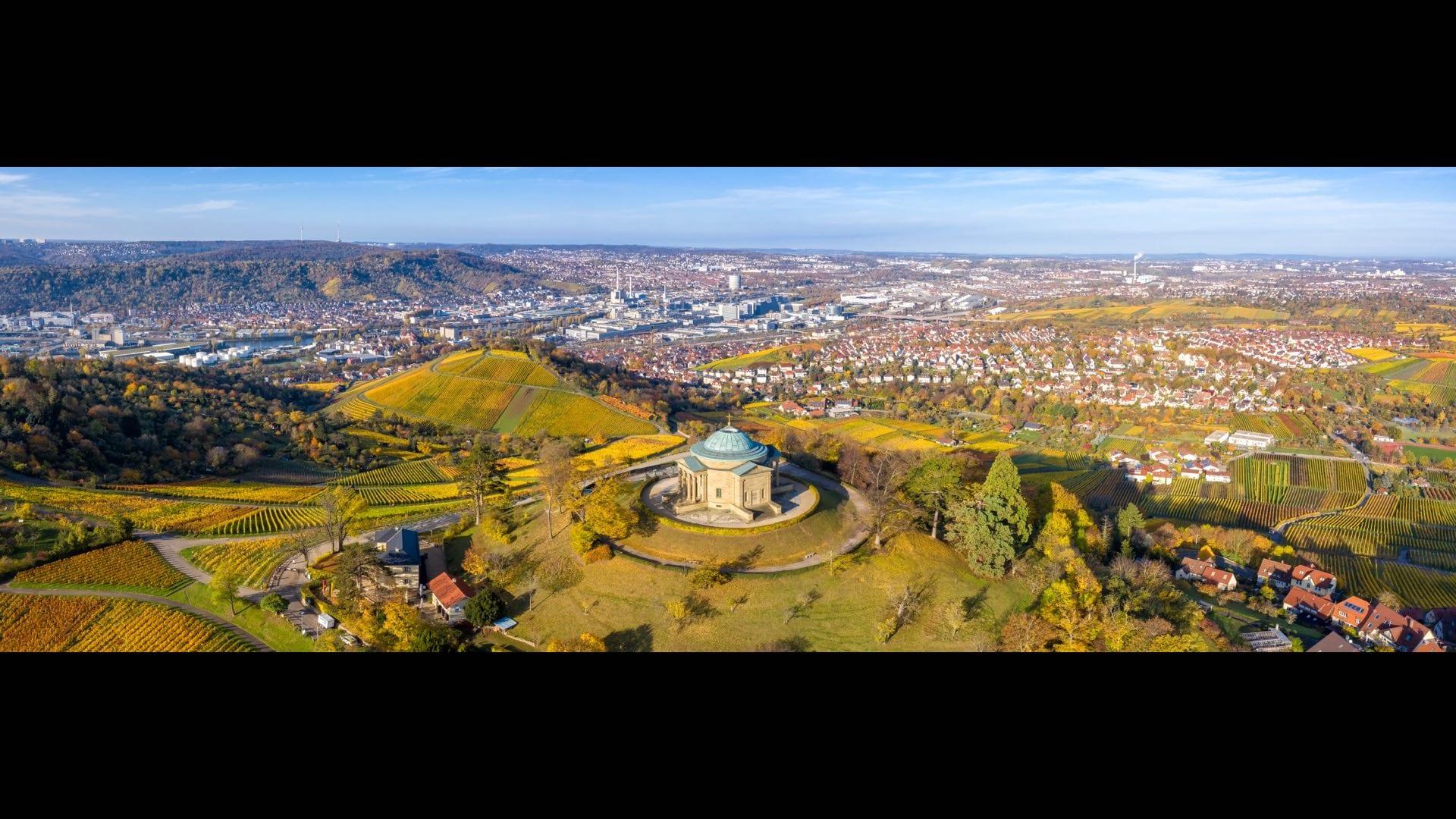
Stuttgart City Guide

The capital of prosperous Baden-Württemberg and the engineering heart of Germany, Stuttgart is home to Mercedes-Benz, Porsche, Bosch and a dense Mittelstand of advanced-manufacturing and automotive-technology firms, an economic base that drives some of the highest household incomes and most resilient rental demand in the country. For yield-focused investors, Stuttgart is unusual among Germany's top cities: gross rental yields of roughly 4.5–5%, and a monitored submarket reading as high as 4.67%, sit well above the national average near 3.6%, reflecting compact, well-connected apartments in a topographically constrained city where the valley basin limits new supply. Demand concentrates in central districts and the affluent half-timbered hill quarters, while the transformational €11 billion Stuttgart 21 rail project, due to open in December 2026, is set to free up vast inner-city land and is among the top three German infrastructure projects expected to lift property values, with transit-proximate premiums historically running 5–15%. Within the broader German base case of 15–25% cumulative five-year growth, Stuttgart's combination of above-average yields, scarce land, a high-wage export economy and a generational infrastructure catalyst positions it as one of the country's most compelling income-and-catalyst markets for 2026.

Updated May 25, 20267 min read

About Stuttgart

The capital of prosperous Baden-Württemberg and the engineering heart of Germany, Stuttgart is home to Mercedes-Benz, Porsche, Bosch and a dense Mittelstand of advanced-manufacturing and automotive-technology firms, an economic base that drives some of the highest household incomes and most resilient rental demand in the country. For yield-focused investors, Stuttgart is unusual among Germany's top cities: gross rental yields of roughly 4.5–5%, and a monitored submarket reading as high as 4.67%, sit well above the national average near 3.6%, reflecting compact, well-connected apartments in a topographically constrained city where the valley basin limits new supply. Demand concentrates in central districts and the affluent half-timbered hill quarters, while the transformational €11 billion Stuttgart 21 rail project, due to open in December 2026, is set to free up vast inner-city land and is among the top three German infrastructure projects expected to lift property values, with transit-proximate premiums historically running 5–15%. Within the broader German base case of 15–25% cumulative five-year growth, Stuttgart's combination of above-average yields, scarce land, a high-wage export economy and a generational infrastructure catalyst positions it as one of the country's most compelling income-and-catalyst markets for 2026.

Location

Stuttgart, Baden-Württemberg, Germany

Showing this map loads it from Google Maps, which sets their own cookies on your device.

Unlock the full city guide. It's free.

You've read the preview. 3 more sections are open to Explorer members, instantly, with just an email.

No spam, no password, unsubscribe any time.

Already a member? Sign in

  • City highlights
  • Market data and outlook
  • Neighbourhoods to explore

Figures are indicative and subject to change. Regulations, taxes and market conditions vary by jurisdiction. Do your own due diligence and seek independent legal and financial advice.
All city guides